
In an increasingly digital world, our craving for tactile experiences is stronger than ever. This exploration delves into why texture is the silent language of modern interiors.
Texture adds a dimension to a room that color and form simply cannot achieve. It engages our sense of touch, even from a distance. A rough-hewn stone wall, a velvet sofa, or a textured wallpaper invites interaction. It tells a story of materiality and craftsmanship. When we design a space, we often focus on the visual hierarchy—where the light falls, how the colors blend—but the feel of the room is what creates emotional resonance.
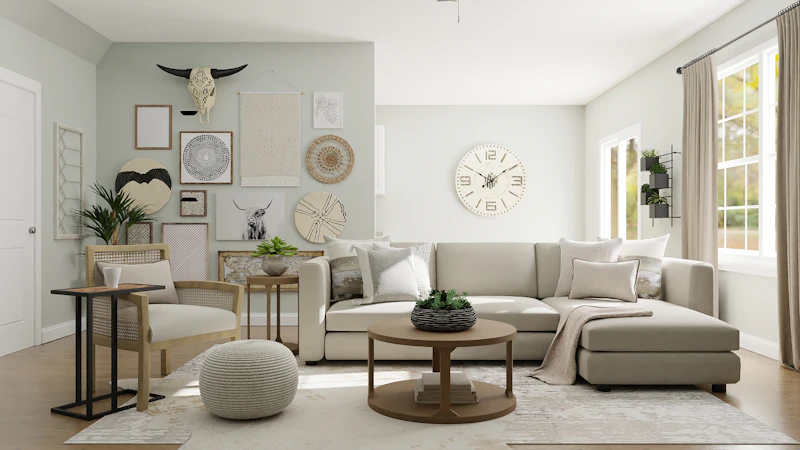
Imagine walking into a room that is completely smooth. Polished concrete floors, glass walls, lacquered furniture. It might look sleek, but it can also feel sterile, cold, and unwelcoming. Now introduce a deep-pile wool rug, a raw timber coffee table, and walls clad in a subtle, linen-textured wallpaper. Suddenly, the space has warmth. It has character. It invites you to sit down and stay awhile.

Fig 1. The interplay of shadow on our 'Raw Plaster' series.
The Psychology of Touch
Studies have shown that being surrounded by natural textures can lower cortisol levels and induce a sense of calm. Our "Soft Earth" collection was born from this understanding. We wanted to create wall coverings that didn't just look like stone or fabric, but felt like them—visually evoking the sensation of touch before you even run your hand across the surface.
This psychological connection is rooted in our evolution. We are tactile creatures. We learn about the world through touch before we learn through sight. By reintroducing rich, complex tactility into our built environments, we ground ourselves. We create spaces that feel 'real' in an era of virtuality.
"Texture is the silent language of design. It speaks to the skin as much as the eyes."
— Architectural Digest, 2024
Layering for Depth
The key to a successful interior is layering. Combining smooth surfaces with rough ones creates a dynamic tension that keeps the eye moving. Imagine a sleek, modern marble table set against a backdrop of our "Woven Linen" wallpaper. The contrast highlights the beauty of both materials.
At Muance, we use advanced printing techniques to achieve this depth. Our designs often involve multiple layers of opacity and relief, creating a surface that interacts with light throughout the day. As the sun moves across a room, the shadows caught by the texture change, making the walls feel alive. This dynamic quality is what separates a flat, printed image from a true architectural surface.


Bringing Nature Indoors
Biophilic design is more than just adding plants. It's about mimicking the complexity of nature. The irregular grain of wood, the veins in marble, the weave of grasscloth—these fractal patterns are inherently pleasing to the human eye. By incorporating these textures into our wall coverings, we bridge the gap between the built environment and the natural world.
We believe that luxury today is defined not by ornamentation, but by authenticity. A material that honors its origin, a texture that begs to be touched, a space that feels curated yet lived-in. This is the philosophy that drives every collection we release.